

BENEFITS & FINANCIAL SUPPORTS
Find support for today.
Plan for what comes next.
Understanding financial supports can take time. Start here to explore programs, prepare for applications and find questions worth asking.
You don’t need to explore everything at once. Start with what matters most right now.
Federal benefits ↓ Where you live ↓ Preparing to apply ↓ Planning for adulthood ↓
BEFORE YOU BEGIN
A diagnosis is one
part of the picture.
FEDERAL BENEFITS
Places to start.
Explore the programs that fit your circumstances. Follow the official links for current eligibility, application steps and payment information.
A Fragile X diagnosis or FMR1 test result does not automatically qualify someone for every disability program. Each program has its own rules.
Applications may consider daily functioning, support needs, age, income and where you live.
Describing support needs does not take away from someone’s strengths. It helps explain the assistance that makes everyday life possible.
-
Tax relief and a connection to other programs
The Disability Tax Credit (DTC) is a non-refundable tax credit that can reduce income tax for an eligible person or, in some circumstances, a supporting family member.
Eligibility focuses on the effects of an impairment on everyday functioning, rather than the diagnosis alone. Your application includes information certified by an appropriate medical practitioner.
DTC approval is also required for certain programs, including the RDSP and Canada Disability Benefit. Each has additional eligibility rules.
-
Additional support for eligible families with children
A tax-free monthly payment for eligible families caring for a child under 18 who qualifies for the DTC. Canada child benefit requirements also apply, and payment amounts depend on family income.
-
Financial support for eligible adults aged 18 to 64
Financial support for eligible people with disabilities aged 18 to 64. DTC approval, tax filing, income and other requirements apply.
This is a different program from the Child Disability Benefit.
-
Planning for long-term financial security
An RDSP helps eligible people approved for the DTC save for their future. Depending on eligibility, government grants and bonds can help build savings.
Eligible people may receive the Canada Disability Savings Bond without personal contributions. Age limits and withdrawal rules matter—review the details before opening or withdrawing from a plan.
Wondering what else is available?
The federal Benefits Finder can help identify other starting points.
PROVINCIAL & TERRITORIAL SUPPORTS
Where you live
matters.
Program names, eligibility and application processes differ across Canada.
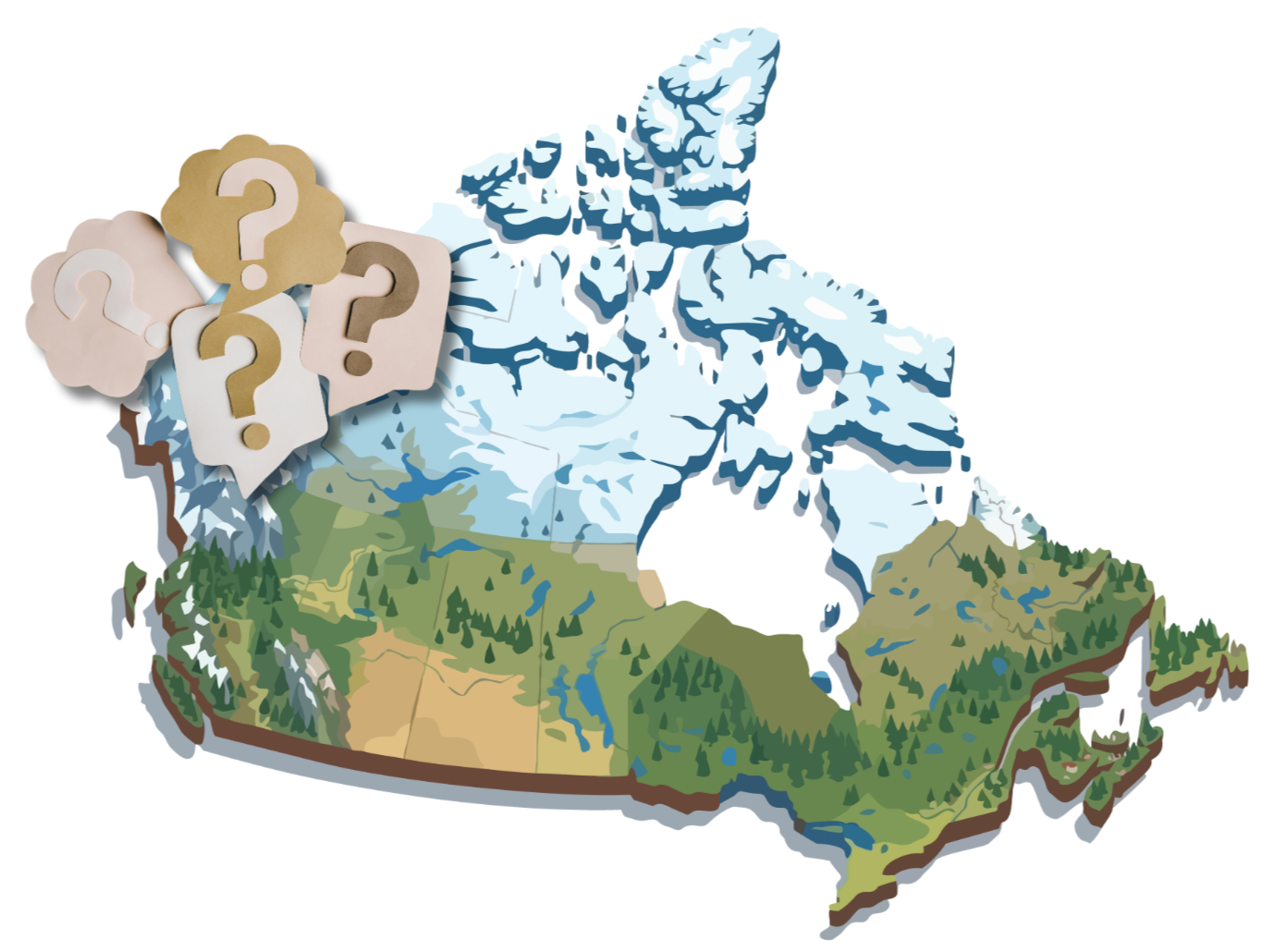
Your province or territory may offer support related to:
Disability income assistance.
Children’s disability services and respite.
Medication, equipment and assistive devices.
Housing, transportation and community participation.
Employment and education.
Start with your province or territory’s official disability services information. Some programs fund services; others provide services or reimburse eligible costs.
-
Which programs fit this person’s age and needs? Is there a waiting list?
Can we apply before a birthday or transition?
How do income, employment, savings or other benefits affect eligibility?
What changes if we move?
PREPARING TO APPLY
Make everyday
support needs visible.
The help already in place can be easy to overlook. Clear examples can help explain what daily life involves.
01
03
Describe the support
Explain reminders, assistance, supervision or extra time; including how often support is needed and what happens without it.
Gather relevant information
Check the program’s requirements for reports, assessments, tax information and examples from daily life.
02
04
Include what is already working
Describe the support behind a completed task. An activity may look straightforward because someone is helping.
Keep a record
Save applications and decisions. Note renewal dates, deadlines, conversations and next steps.
PLANNING FOR ADULTHOOD
Start before
services change.
Use this checklist to organize questions. Selections are only for this preview and are not saved.
Children’s benefits and services do not necessarily transfer into adult programs. Age thresholds can differ.
Include the young person in planning in ways that respect their preferences and communication needs.
☐ Ask about adult services and income assistance.
☐ Explore tax filing and benefits in the young person’s name.
☐ Check DTC approval periods and renewal needs.
☐ Review RDSP planning.
☐ Discuss employment, education, housing and community supports.
☐ Explore support for understanding financial choices.
WHEN YOU NEED A NEXT STEP
Questions are
worth asking.
-
A decision about one program does not determine eligibility for all others. Read the decision and ask about further information, review or appeal options.
Check deadlines promptly, they vary by program.
Reach out and we will do out best to connect you with someone in your area to help out. info@fragilexcanada.ca
-
A social worker, disability organization, community navigator or qualified tax professional may help you identify a next step. The program administrator can explain its requirements.
Connect with us. We will do our best to help you navigate this. info@fragilexcanada.ca
START WITH A QUESTION
You don’t need every answer
before reaching out.
Contact Fragile X Canada with a question or suggest a resource that would make this guide more useful.